
If you feel tired even after a full night of sleep, struggle to focus at work, or notice your skin looking paler than usual, the cause may not be stress alone. Iron deficiency warning signs often build up slowly, so many people blame a busy life, poor sleep, or getting older — and miss the real problem for months. Iron helps your body make hemoglobin, the protein in red blood cells that carries oxygen to your tissues. When iron runs low, less oxygen reaches your muscles, brain, and heart, and everyday tasks start to feel much harder.
The good news is that iron deficiency is common, it can be tested with a simple blood test, and it is usually very treatable once it is found. In this guide, you will learn the nine warning signs to watch for, the most common causes, who is most at risk, the iron-rich foods that genuinely help, and when it is time to see a doctor instead of trying to push through.
At a Glance
- Main clue: unusual tiredness, weakness, and pale skin that do not improve with rest.
- Key test: a blood test for ferritin and hemoglobin — ask your doctor about it.
- Best food fix: lean red meat, beans, lentils, spinach, and fortified cereals, plus vitamin C to help absorption.
- Do not: start high-dose iron supplements on your own without a test and medical advice.
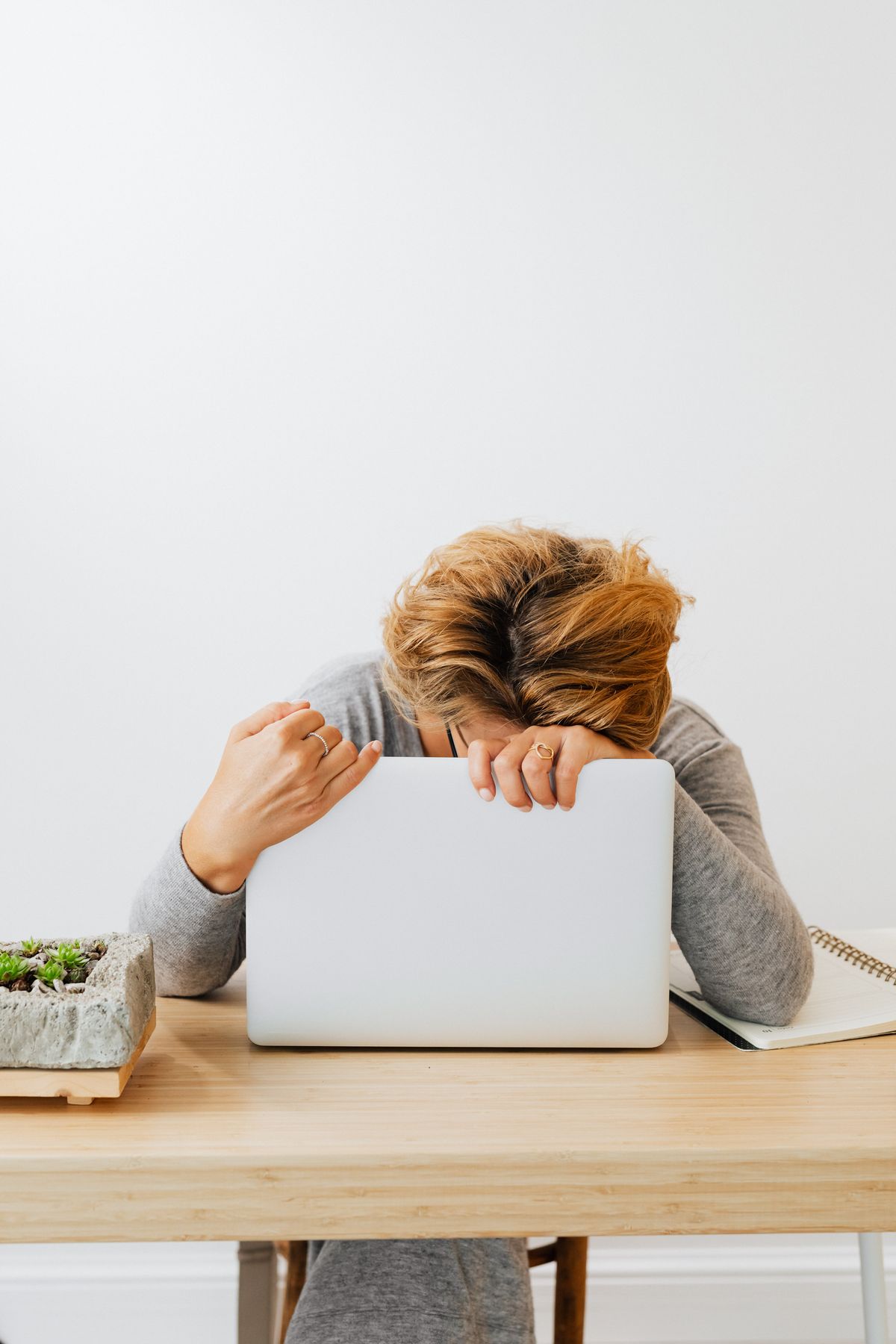
What Is Iron Deficiency — and Why Does It Matter?
Iron deficiency means your body does not have enough iron to make healthy red blood cells. It can happen when you lose more blood than usual, when you do not eat enough iron, or when your body cannot absorb iron well. If it goes on for long enough, it can develop into iron deficiency anemia, where hemoglobin falls below the normal range. According to the National Institutes of Health Office of Dietary Supplements, iron is essential for growth, development, and the production of hemoglobin and myoglobin, which carry oxygen in blood and muscle.
This matters because oxygen is involved in almost everything you feel: energy, clear thinking, steady breathing, and even how warm your hands and feet feel. When oxygen delivery drops, the body tries to compensate by making your heart work harder. That is why a simple lack of iron can show up as tiredness, breathlessness, and a racing heart, not just one isolated symptom.
What Are the 9 Warning Signs of Iron Deficiency?
One sign on its own may mean nothing. Several together, lasting for weeks, are worth taking seriously. Here are the nine warning signs doctors most often ask about:
1. Unusual tiredness that rest does not fix. This is the most common sign. You sleep seven or eight hours, yet you still wake up exhausted, and an ordinary day leaves you drained. Fatigue can overlap with other problems, including vitamin D deficiency symptoms, so a blood test helps sort out the cause instead of guessing.
2. Pale skin, pale gums, or pale inner eyelids. Hemoglobin gives blood its red color. When it falls, the skin — especially the face, inner lower eyelids, and gums — can look noticeably paler. If friends or family mention that you look washed out, take note.
3. Shortness of breath or a fast heartbeat. Climbing stairs, walking uphill, or carrying groceries may leave you breathless. Your heart may also beat faster or feel like it is pounding, because it is working harder to move oxygen around your body.
4. Headaches and dizziness. The brain is very sensitive to low oxygen. Frequent headaches, lightheadedness when you stand up, or feeling faint can all be linked to low iron, especially if they are new for you.
5. Cold hands and feet. Poor oxygen delivery can reduce blood flow to your hands and feet, leaving them cold even in a warm room. This sign is easy to dismiss in winter, but it matters more when it comes with tiredness or paleness.
6. Brittle nails, hair loss, or a sore tongue. Spoon-shaped nails that curve upward, nails that break easily, more hair shedding than usual, or a smooth, sore, or swollen tongue can all appear with iron deficiency. Hair and nails grow slowly, so these changes may take weeks to show — and months to improve.
7. Restless legs, especially at night. An uncomfortable urge to move your legs, often with tingling or crawling feelings in the evening or at night, is linked to low iron in some people. It can disturb sleep, which then makes daytime tiredness even worse.
8. Craving ice, clay, or other non-food items. This unusual craving, called pica, is a lesser-known but telling sign. Craving ice is the most common form. If you find yourself chewing ice constantly or craving substances that are not food, mention it to your doctor.
9. Getting sick more often or healing slowly. Iron supports a healthy immune system. Some people with low iron notice they catch colds more easily or that small cuts take longer to heal. On its own, this is not proof of iron deficiency, but combined with other signs, it adds to the picture.
What Causes Iron Deficiency?
The most common cause worldwide is blood loss. In women, heavy periods are a leading cause. In men and in women after menopause, iron deficiency more often points to blood loss from the digestive tract, such as from an ulcer, polyps, or regular use of certain pain medicines. That is one reason doctors take iron deficiency seriously and look for the cause, not just the low number.
Diet is the second major cause. People who eat little or no meat, who skip meals, or who follow a very restricted diet may not take in enough iron. Absorption also matters: tea and coffee with meals, calcium-rich foods at the same meal, and some medicines can reduce how much iron your body absorbs. On the other hand, vitamin C — from oranges, capsicum, tomatoes, or strawberries — helps your body absorb iron from plant foods. Staying well hydrated also supports general energy and recovery, and you can check how much water you should drink a day as part of a simple daily routine.
Some medical conditions reduce iron absorption, including coeliac disease, inflammatory bowel disease, and stomach surgery. Pregnancy also raises iron needs sharply, because the body must support extra blood volume and the baby's growth.
Who Is Most at Risk?
Anyone can develop iron deficiency, but some groups need to be more alert. Women with heavy periods, pregnant women, teenage girls, toddlers, vegetarians and vegans, frequent blood donors, endurance athletes, and people with digestive conditions are all at higher risk. Older adults can also be affected, often because of medicines or digestive blood loss that has gone unnoticed.
If you belong to one of these groups and you recognise several warning signs in yourself, do not wait for them to pass. A blood test is quick, inexpensive in most places, and gives a clear answer. Early testing also helps your doctor find the underlying cause while it is still easy to treat.
Which Iron-Rich Foods Actually Help?
Food is the best first step for most people, and it works best when it is part of everyday meals rather than a short burst of effort. Animal foods contain heme iron, which your body absorbs most easily. Plant foods contain non-heme iron, which is absorbed less well, but pairing them with vitamin C makes a real difference.

Useful iron-rich foods include lean red meat, chicken and turkey, oily fish, eggs, lentils, chickpeas, black beans, tofu, spinach and other dark leafy greens, pumpkin seeds, quinoa, and iron-fortified breakfast cereals. A simple meal that works well is lentil soup with tomatoes, a spinach salad with orange segments, or beans with capsicum and a squeeze of lemon.
Try to avoid tea or coffee with your main iron-rich meal, and wait an hour or two before your next cup. If your doctor prescribes iron tablets, take them exactly as directed, because they can cause constipation or stomach upset, and they work best on an empty stomach or with a small amount of vitamin C-rich food.
When Should You See a Doctor?
See your doctor promptly if tiredness, paleness, breathlessness, or a fast heartbeat last more than a couple of weeks, or if you notice blood in your stool, black stools, very heavy periods, or fainting. Seek urgent care if you have chest pain, severe breathlessness, or you faint. The Mayo Clinic notes that iron deficiency anemia can cause complications if left untreated, including heart problems, problems during pregnancy, and slower growth in children — so testing early is worth it.
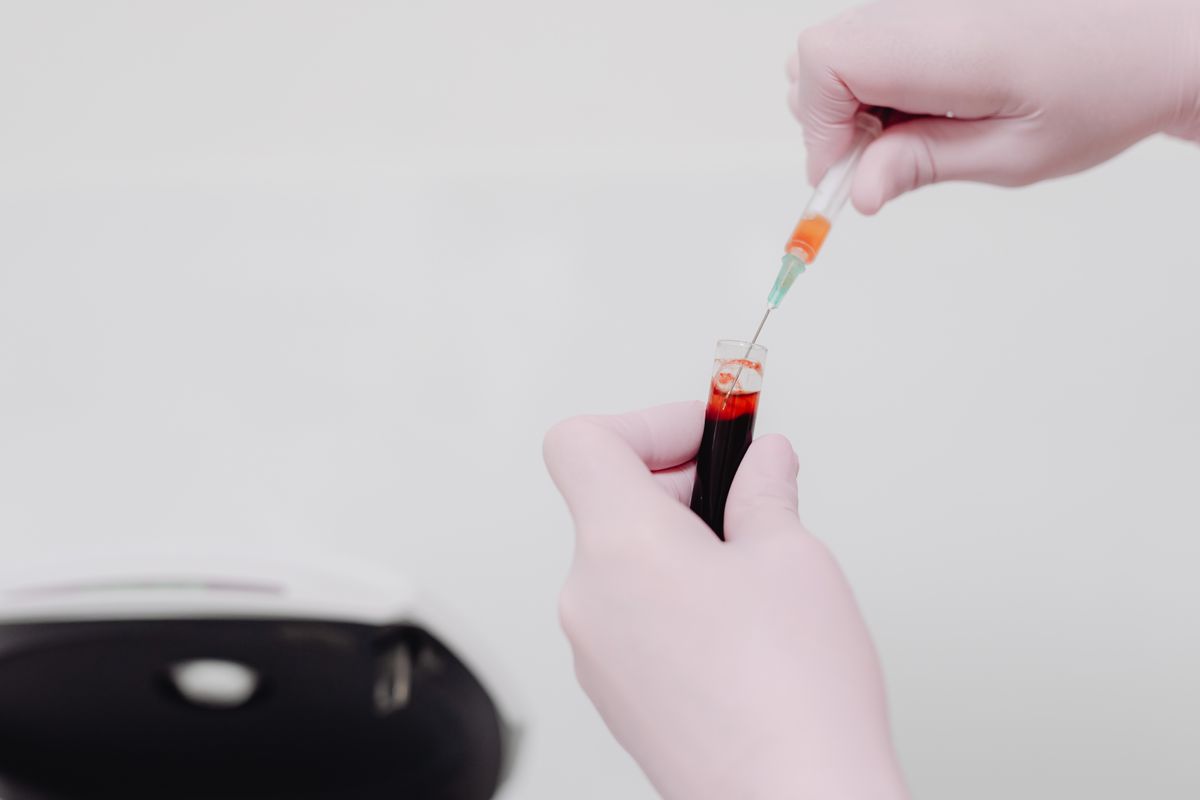
At the appointment, expect a blood test for ferritin, hemoglobin, and related iron measures. Your doctor may also ask about periods, diet, medicines, and digestive symptoms, and may suggest further tests if the cause is unclear. Bring a short list of your symptoms and when they started — it helps more than trying to remember everything on the spot.
Final Thoughts
Iron deficiency often hides behind ordinary tiredness, so it is easy to ignore until it starts to affect your work, your mood, and your daily life. If several of these nine warning signs sound familiar, listen to your body and get a simple blood test — it is the fastest way to get a clear answer. Eat iron-rich foods, pair plant iron with vitamin C, and follow your doctor's advice if treatment is needed. Small, steady changes often make a big difference, and if you are also rethinking everyday habits, read what happens to your body when you quit sugar for 30 days for another practical 30-day reset.
Frequently Asked Questions
Can iron deficiency cause hair loss?
Yes, it can. Low iron can disrupt the hair growth cycle, so some people notice more shedding or thinner hair. Hair usually improves slowly once iron levels recover, but it can take several months.
How is iron deficiency diagnosed?
It is diagnosed with a blood test. A doctor usually checks ferritin, which shows stored iron, along with hemoglobin and other iron levels. Do not start high-dose iron supplements before testing.
How long does it take to feel better after treatment?
Many people start to feel less tired within a few weeks, but rebuilding iron stores can take three to six months. Your doctor may repeat blood tests to check your progress.
Can you get enough iron from food alone?
Many people can, especially if they eat iron-rich foods regularly and pair plant iron with vitamin C. Some people, such as those with heavy periods or absorption problems, may still need supplements on medical advice.
This article is for general information only and is not medical advice. If you have symptoms or health concerns, please talk to a qualified health professional.

No comments:
Post a Comment